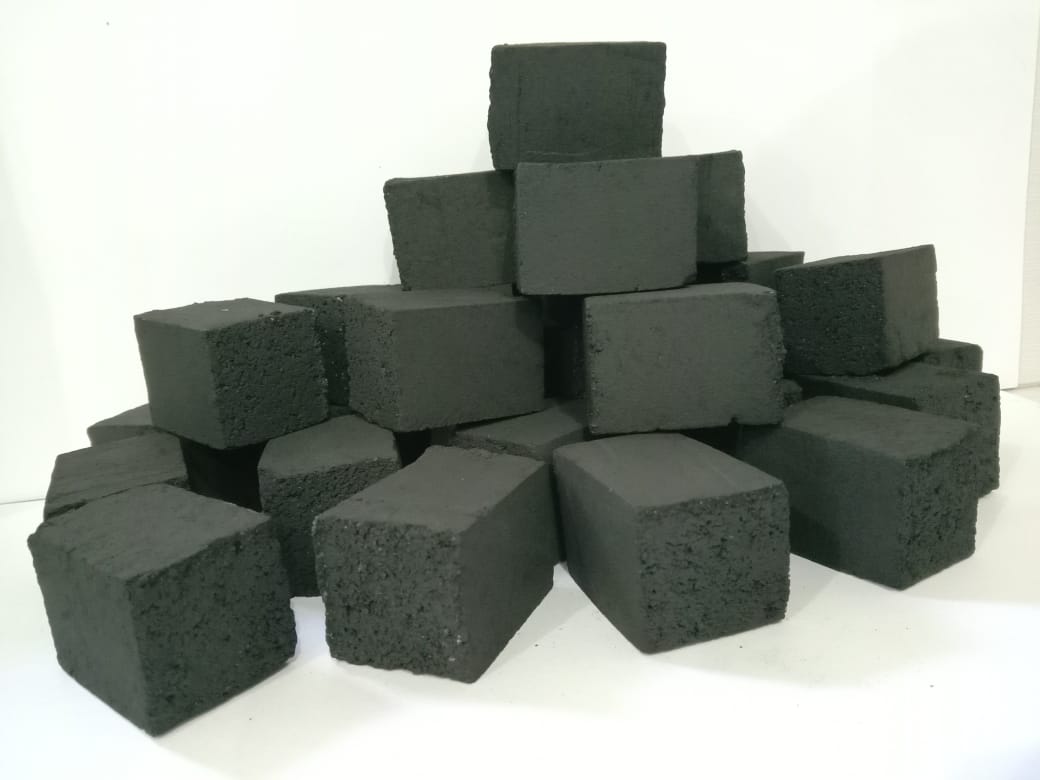
Coconut shell charcoal for cooking has emerged as a premium fuel for cooking, offering a sustainable and efficient alternative to traditional wood charcoal. With its high calorific value, low ash content, and long-burning performance, it has become increasingly popular among households, restaurants, and commercial kitchens worldwide. The versatility and eco-friendliness of coconut shell charcoal make it an ideal choice for modern cooking applications, and understanding the formula to make charcoal from coconut shells is essential for producing consistent, high-quality fuel.
Why Coconut Shell Charcoal Is Perfect for Cooking
Coconut shells are naturally dense and contain a high percentage of fixed carbon. This unique composition allows the charcoal to burn hotter and longer compared to traditional wood charcoal. Key benefits for cooking include:
High Heat and Long Burning Time
Coconut shell charcoal can reach calorific values of up to 7,500 kcal/kg, providing consistent heat for extended cooking periods. This makes it ideal for grilling, barbecuing, and traditional stoves where prolonged high temperature is required.
Low Ash and Minimal Smoke
Premium coconut shell charcoal produces only 2–3% ash, making it cleaner and easier to manage during cooking. Its low smoke emission also preserves the natural flavors of food, an essential feature for professional chefs and home cooks alike.
Odorless and Flavor-Neutral
Unlike some wood charcoals, coconut shell charcoal is virtually odorless, ensuring that the natural taste of the food is not compromised. This characteristic makes it especially suitable for sensitive culinary applications such as seafood, meat, and vegetables.
Production Process of Coconut Shell Charcoal
Creating high-quality coconut shell charcoal involves careful selection of raw materials and precise processing techniques.
1. Selection and Cleaning
The process begins with choosing mature coconut shells that are free from dirt, mold, and excessive moisture. Proper cleaning ensures the removal of impurities that could affect the burning quality of the charcoal.
2. Carbonization
Coconut shells are carbonized in a controlled kiln or furnace under limited oxygen conditions at temperatures ranging from 400°C to 600°C. This process converts the shells into high-carbon charcoal, removing volatile components and increasing calorific value.
3. Crushing and Sieving
After cooling, the charcoal is crushed into uniform sizes suitable for cooking applications. Sieving ensures that only consistent particle sizes are used, which helps in producing even heat during cooking.
4. Briquette Formation
To enhance handling and burning efficiency, crushed charcoal can be mixed with natural binders and molded into briquettes. These briquettes are easier to store, transport, and use in stoves or grills. For detailed guidance on production.
5. Drying and Quality Control
Briquettes are dried to reduce moisture content below 8%, preventing cracking and ensuring long-lasting combustion. Quality control checks for fixed carbon content, ash percentage, moisture level, and uniformity are essential for delivering premium-grade charcoal suitable for cooking.
Applications of Coconut Shell Charcoal in Cooking
Premium coconut shell charcoal is widely used in:
- Home Kitchens : Efficient and odorless cooking fuel for daily use.
- Restaurants and Catering : Consistent heat output for grilling and barbecuing.
- Outdoor Cooking : Ideal for barbecues, camping, and picnics.
- Specialty Cooking : Perfect for cuisines requiring controlled heat and minimal smoke.
Its consistent performance and clean-burning properties make it highly valued across culinary industries.
Conclusion
Coconut shell charcoal for cooking combines efficiency, sustainability, and high performance, making it a superior alternative to conventional fuels. By following professional production methods and understanding the formula to make charcoal from coconut shells, manufacturers can deliver reliable, high-quality cooking charcoal that meets both domestic and commercial needs while supporting eco-friendly practices.
Click basebisnis.com to explore the complete guide and discover the professional methods to produce high-quality coconut shell briquettes for commercial success.