Yogyakarta attracts travelers with temples, royal heritage, traditional crafts, natural landscapes, and local food. As visitor numbers grow, responsible travel becomes more important. Sustainable Tourism in Yogyakarta encourages travelers to protect cultural heritage, respect local communities, reduce waste, and support local businesses. Small choices can create a positive impact during every trip.
Support Local Businesses
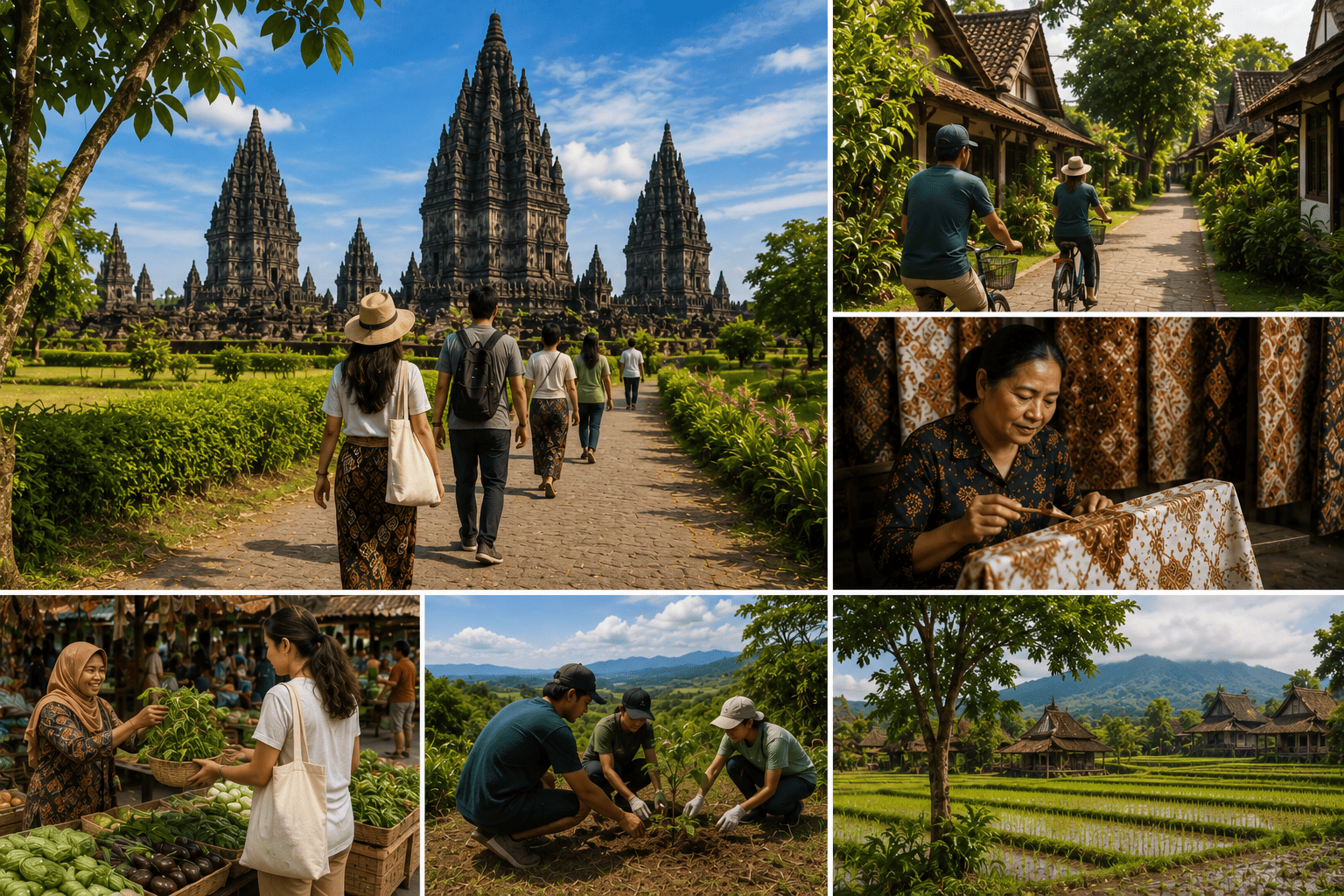
Travelers can support sustainable tourism by choosing local products and services. Buy batik, silver crafts, food, and souvenirs directly from local artisans or small businesses.
This approach helps more tourism income stay within the community. It also gives visitors a stronger connection with local culture.
Traditional markets, family-owned restaurants, and small workshops offer many opportunities to support local people. Ask about the origin of products before buying them.
Respect Cultural Heritage
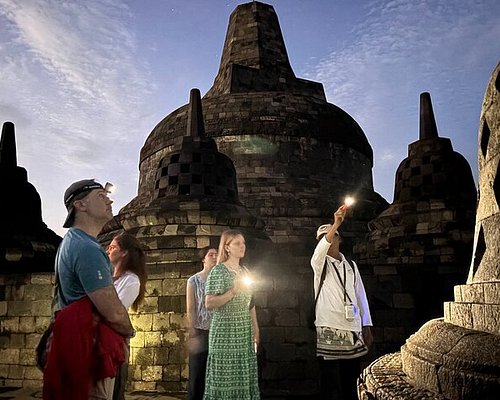
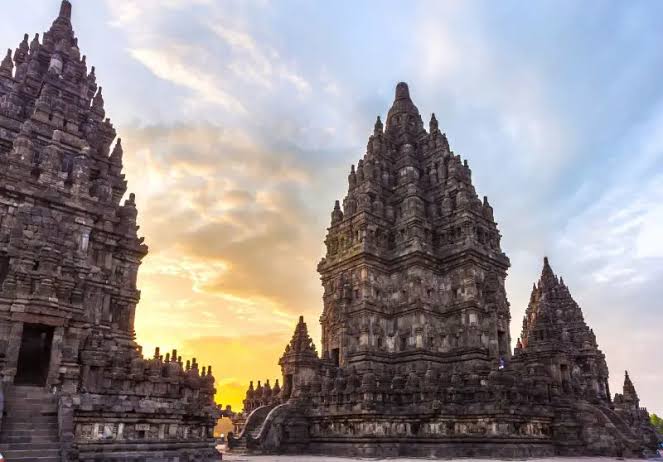
Yogyakarta has many important cultural sites, including Keraton, Taman Sari, Prambanan, and nearby Borobudur.
Visitors should follow local rules and respect religious practices. Wear suitable clothing at temples and avoid touching fragile structures.
Travelers can also learn about local customs before visiting traditional neighborhoods. Simple respect helps protect cultural identity and improves interactions with residents.
For broader travel ideas, read this Yogyakarta tourism guide to culture, heritage, nature, and unforgettable experiences.
Reduce Plastic and Travel Waste
Reducing waste creates an easy way to travel more responsibly. Bring a reusable water bottle, shopping bag, and food container when possible.
Avoid unnecessary single-use plastics during day trips. Keep all waste with you until you find the correct disposal point.
Travelers can also choose hotels or restaurants that use refill systems and reduce disposable packaging. These small habits can lower your environmental impact.
Choose Efficient Transportation
Good route planning helps reduce unnecessary travel. Group nearby destinations instead of crossing Yogyakarta several times in one day.
Walking works well in areas such as Malioboro, Kotagede, and parts of central Yogyakarta. For longer routes, private transportation can help families or small groups travel more efficiently.
Choose a realistic itinerary. Spending more time in fewer places can reduce fuel use and create a better travel experience.
Protect Natural Attractions
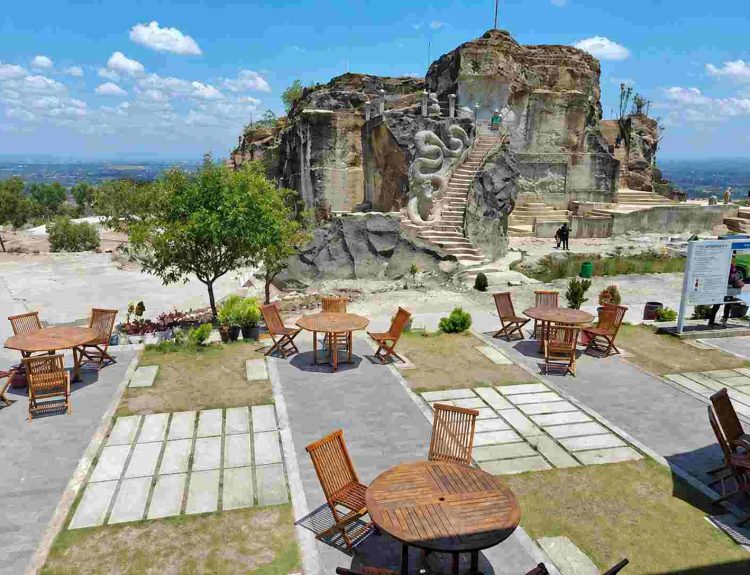
Yogyakarta also offers mountains, caves, beaches, forests, and rural landscapes. Travelers should protect these areas during every visit.
Stay on approved paths and follow instructions from local guides. Avoid leaving waste in caves, rivers, beaches, or forest areas.
Respect wildlife and natural formations. Do not remove rocks, plants, or other natural materials as souvenirs.
When visiting Mount Merapi or coastal areas, follow local safety rules and weather guidance.
Choose Community-Based Experiences
Community-based tourism can create direct benefits for local residents. Travelers can join village tours, craft workshops, traditional cooking activities, or cultural programs.
These experiences often provide deeper cultural understanding than ordinary sightseeing. They also help local communities preserve traditional knowledge and skills.
Choose activities that treat local culture with respect rather than using it only as entertainment.
Plan a More Responsible Yogyakarta Trip
Responsible travel starts with good planning. Choose realistic routes, support local businesses, reduce waste, and respect every destination you visit.
Explore private Yogyakarta tours with local travel support if you want to organize a flexible route around cultural and natural attractions. A well-planned itinerary can reduce unnecessary travel while giving you more time at each destination.
Conclusion
Sustainable Tourism in Yogyakarta helps protect culture, nature, and local communities. Travelers can support small businesses, reduce waste, respect heritage sites, and choose responsible activities. These simple actions can make every journey more meaningful while helping future visitors enjoy Yogyakarta as well.