
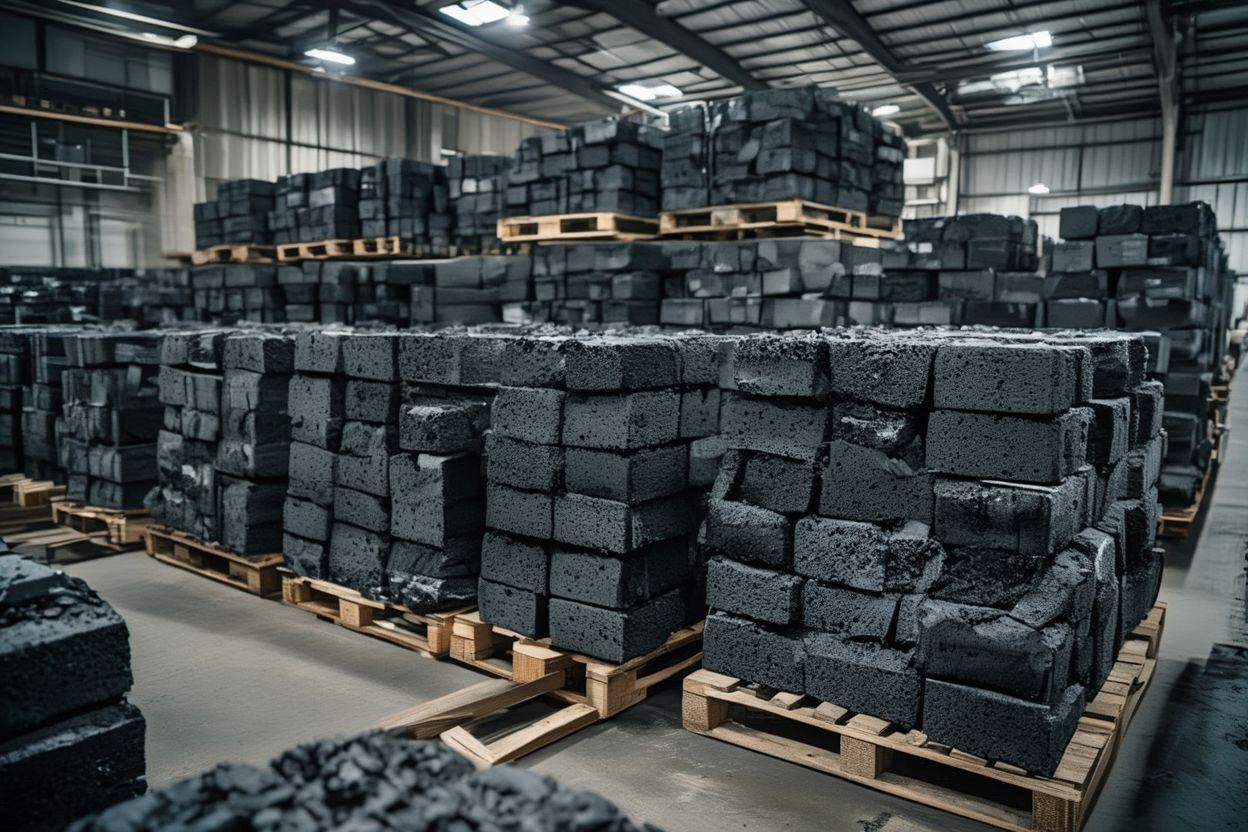
Coconut charcoal briquette industry supplier supports the global charcoal market by providing reliable fuel products for commercial and hospitality sectors. Many industries prefer coconut shell charcoal briquettes because they produce stable heat, minimal smoke, and long burning performance. As a result many businesses choose these briquettes to maintain consistent fuel efficiency.
In addition a coconut charcoal briquette industry supplier actively connects manufacturers with distributors, importers, and commercial buyers in many countries. Consequently suppliers deliver coconut charcoal briquettes to international markets through organized production systems and efficient logistics networks. Therefore buyers receive consistent product quality in every shipment.
Growing Demand in the Coconut Charcoal Industry
Today the coconut charcoal industry continues to grow because global markets increasingly search for efficient fuel alternatives. For example countries in the Middle East, Europe, and North America import large volumes of coconut shell charcoal for restaurants, shisha lounges, and food businesses.
Furthermore many shisha lounges prefer coconut charcoal briquettes because they burn evenly and maintain stable heat without affecting tobacco flavor. Therefore lounge owners can create longer sessions while maintaining consistent heat performance.
Meanwhile barbeque restaurants and catering businesses also rely on coconut charcoal briquettes. As a result chefs maintain reliable cooking temperatures when preparing grilled dishes and other charcoal based recipes. Consequently restaurants achieve consistent cooking quality.
Advantages of Coconut Shell Charcoal Briquettes
Generally coconut shell charcoal briquettes offer several advantages compared with traditional charcoal products. For instance their high carbon content produces strong and stable heat that supports long cooking sessions.
Additionally these briquettes generate less ash during combustion. Because of this advantage users keep cooking equipment cleaner and improve efficiency in commercial kitchens or food preparation areas.
Moreover a trusted coconut charcoal briquette supplier uses natural binders and avoids chemical additives during production. As a result users experience cleaner combustion while supporting environmentally responsible fuel usage.
Production Process in the Coconut Charcoal Industry
First producers collect coconut shells that commonly appear as agricultural byproducts. Instead of discarding these materials manufacturers convert the shells into valuable charcoal fuel through a controlled carbonization process.
Next workers grind the charcoal into fine powder and mix it with natural binders. After that production machines compress the mixture into briquette shapes such as cubes, hexagonal forms, or pillow shapes.
Finally producers dry the briquettes and perform strict quality inspections before shipping the products to international markets. Consequently manufacturers meet export standards for moisture levels, density, and burning performance.
Selecting a Reliable Charcoal Industry Supplier
When businesses require large quantities of charcoal they must carefully select industry suppliers. Therefore a reliable coconut charcoal briquette industry supplier maintains strict quality control and stable production capacity.
Furthermore professional suppliers understand international shipping systems including packaging standards, container loading, and export documentation. Because of this experience they protect product quality during long distance transportation.
Additionally companies that want to explore product specifications and international supply options can visit jacoid.com. There buyers can review information about coconut shell charcoal briquette products and global supply capabilities.
Future Development of the Coconut Charcoal Market
Looking ahead the coconut charcoal market will continue to grow because businesses search for sustainable and reliable fuel sources. Coconut shells provide a renewable raw material that supports environmentally responsible charcoal production.
As a result more industries adopt coconut shell charcoal briquettes for cooking and shisha applications. Therefore suppliers expand distribution networks and strengthen international partnerships.
Ultimately coconut charcoal briquette industry suppliers strengthen the global charcoal supply chain and support the growing demand for sustainable fuel products.


