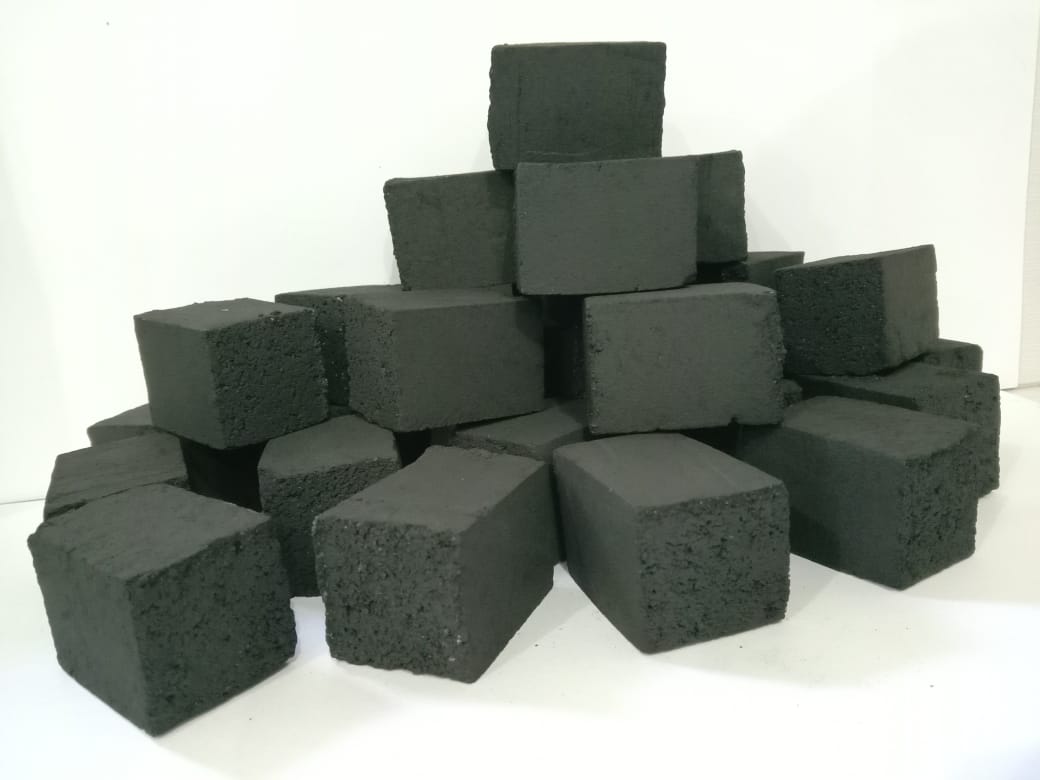
As a charcoal seller, I often receive detailed questions from buyers who ask, Are All Charcoal Briquettes The Same?, because they want to ensure they choose the right product before placing bulk orders. One of the most common concerns is whether all charcoal briquettes offer the same quality and performance. Many buyers also ask, are charcoal briquettes the same as charcoal, because they want to understand both the differences and the variations within the market. From my experience supplying distributors, restaurants, and shisha lounges, the simple answer is clear: not all charcoal briquettes are the same.
Differences in Raw Materials
The biggest difference between charcoal briquettes lies in the raw materials used during production. Manufacturers typically produce briquettes from:
- Coconut shells
- Hardwood charcoal
- Sawdust
- Agricultural waste
- Coal (in some lower-grade products)
Coconut shell charcoal briquettes are widely considered premium because they burn longer, produce minimal ash, and generate very little smoke. Hardwood briquettes can also perform well but may vary in density. Lower-grade briquettes sometimes mix cheaper materials, which can reduce performance.
The raw material directly affects heat output, ash content, and overall durability.
Variations in Production Process
Even when two suppliers use similar raw materials, production standards can create major differences in quality. Factors that influence briquette performance include:
- Carbonization temperature
- Grinding consistency
- Binder quality
- Compression pressure
- Drying process
If a manufacturer does not control moisture levels or compression properly, the briquettes may crack, produce excess smoke, or burn unevenly. High-quality production ensures stable heat and structural strength.
Differences in Burn Performance
From my experience, burn performance is one of the most important distinctions.
1. Burn Time
Premium briquettes burn longer and maintain steady heat. Lower-quality briquettes may burn quickly and require frequent replacement.
2. Ash Content
High-grade briquettes produce low ash, keeping grills and shisha bowls clean. Poor-quality products may leave heavy ash residue.
3. Smoke and Odor
Natural coconut charcoal briquettes burn almost smokeless. Low-quality briquettes, especially those mixed with coal or chemical binders, may produce unpleasant odors.
Shape and Size Matter
Charcoal briquettes come in various shapes such as cubes, hexagonal sticks, and pillow shapes. The size and density affect airflow and heat distribution. For example:
- Cube briquettes are popular for shisha
- Pillow-shaped briquettes are common for BBQ
- Hexagonal shapes may be used for both cooking and heating
Professional buyers choose specific shapes based on their application.
Why Buyers Must Be Careful
Many first-time importers assume that all briquettes perform the same because they look similar. However, appearance alone does not guarantee quality. Without checking specifications such as moisture level, fixed carbon content, and ash percentage, buyers risk receiving inconsistent products.
I always advise clients to request laboratory test reports, inspect production processes, and test samples before confirming large shipments.
My Advice as a Seller
From my experience, charcoal briquettes vary significantly in quality depending on raw materials, manufacturing standards, and intended use. Restaurants and shisha lounges typically require premium coconut shell briquettes for stable heat and clean burning. Industrial users may focus more on cost efficiency and heat intensity.
Understanding these differences allows buyers to protect their reputation, maintain consistent performance, and build long-term business success. When chosen carefully, high-quality charcoal briquettes can deliver reliable heat, cleaner cooking, and greater customer satisfaction across multiple industries.